



What to do after a leak test
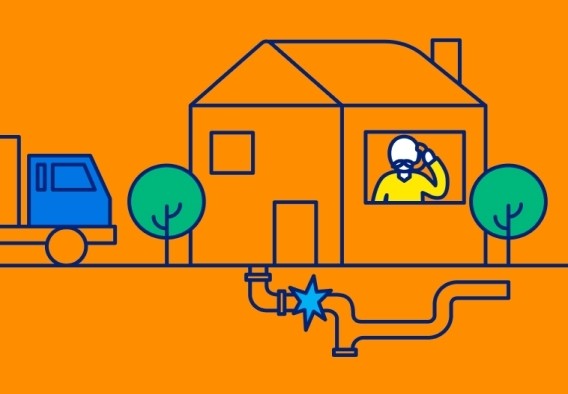
Some leaks are easy to spot, such as a dripping tap. Others can be harder to detect and may cause damp patches, mould, or damage to your property over time.

On this page
I have a leak, how do I find it?
Some leaks are easy to spot, such as a dripping tap. Others can be harder to detect and may cause damp patches, mould, or damage to your property over time.
A leaking toilet can waste a surprising amount of water. Even a small trickle can add more than $425 a year to your water bill, while a major leak could cost more than $3,000 annually.
One of the easiest ways to check for a toilet leak is the paper test.
How to do the paper test
- Place a piece of toilet paper at the back of the toilet bowl.
- Make sure the back of the bowl is completely dry. It's best to wait at least 30 minutes after the last flush.
- Leave the paper in place for a few minutes and make sure no one uses the toilet during this time.
- If the paper becomes wet or tears, your toilet may be leaking.
Keep in mind that toilets can also leak from the base if the seal has deteriorated or become damaged.
A dripping tap, or even a tap accidentally left running, can waste up to 20,000 litres of water each year. That's around 55 litres every day and could add approximately $25 to each water bill.
If you notice a tap dripping, the most common cause is a worn washer. Depending on your level of experience, you may be able to replace it yourself or arrange for a plumber to do it.ged.
Unexplained wet patches in your lawn or garden can indicate a leak in your irrigation system. You may also notice some areas are greener, healthier, or growing faster than the surrounding lawn or plants.
Large evaporative coolers are usually located on rooftops, while smaller units are often installed near doors or windows.
It's normal for a small amount of water to drip from the drain pipe while the system is operating. However, if you notice water running down the roof when the unit is switched off, or damp patches appearing on internal ceilings or walls, there may be a leak.
A common issue with hot water systems is a faulty Pressure Temperature Relief Valve (PTRV), which can continuously release water.
In older systems, a malfunctioning valve can lead to dangerous pressure build-up, potentially causing the unit to fail.
Because hot water systems are often located outside in areas that aren't regularly inspected, leaks can go unnoticed for long periods.
To check for a leak:
- Locate your hot water system.
- Check whether water is continuously running from the overflow pipe.
- Take note if your household is running out of hot water more quickly than usual, as this can also be a sign of a problem.
Automatic top-up systems can sometimes malfunction, causing water to continuously flow without being noticed.
Regularly inspect your water tank or pool top-up system to ensure it is working correctly and not wasting water.
Find a plumber
Master Plumbers
You can search for a plumber in your area here.
Priority Plumbing
Alternatively, you can contact our trusted plumbing partner Priority Plumbing. They’re here to help and can be contacted on 1300 760 306.
We own Priority Plumbing and guarantee the work of all their licensed plumbers.
I fixed the leak, what do I do now?
If you’ve received a higher than expected water bill due to a leak, South East Water may be able to review your account. You can read more about the high usage review by clicking the link below.
I don’t have a leak but my usage is still high
There may be a very valid reason why your usage has jumped and some of these may include:
- House guests
- The arrival of a new family member including fur babies
- Installation of a pool or spa
- Increased use of an evaporative cooler
- Watering in a new lawn or garden.
It’s good to understand why your usage has increased so you know what to expect on your bill as well as understanding how you’re using water around the house.