



Recycled water
Learn how recycled water is delivered and can be used around your property or business.
On this page
What is recycled water?
Recycled water is wastewater (residential and industrial wastewater) treated and disinfected to a safe standard for its intended purpose. To produce and supply recycled water to you, we follow strict regulations and guidelines and treatment processes to make sure it’s safe and suitable for use.
Our goal is to encourage the use of recycled water, to support greener spaces, more resilient communities, and a dependable water future.
Treatment and classes of recycled water
All of our water recycling plants treat wastewater using a combination of mechanical and biological processes to produce recycled water to Class C standard or better. Some facilities employ additional treatment to produce Class A recycled water – the highest grade of recycled water.
Our recycled water is classified into two classes, depending on the level of treatment and its suitability for end use:
Class C recycled water
Class C recycled water can be used for a number of uses including for certain human food crops, livestock grazing and fodder, and the irrigation of public spaces such as sporting ovals or golf courses. All of our water reclamation plants produce Class C recycled water or better.
Class A recycled water
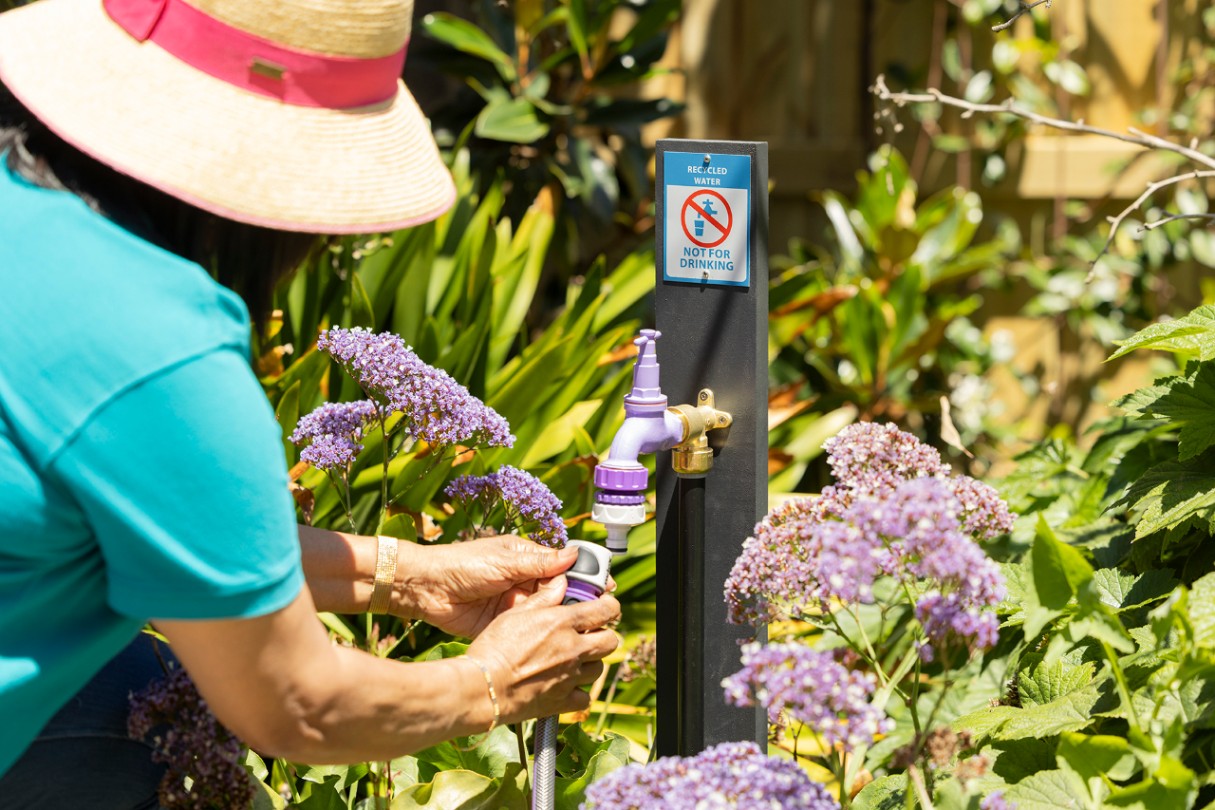
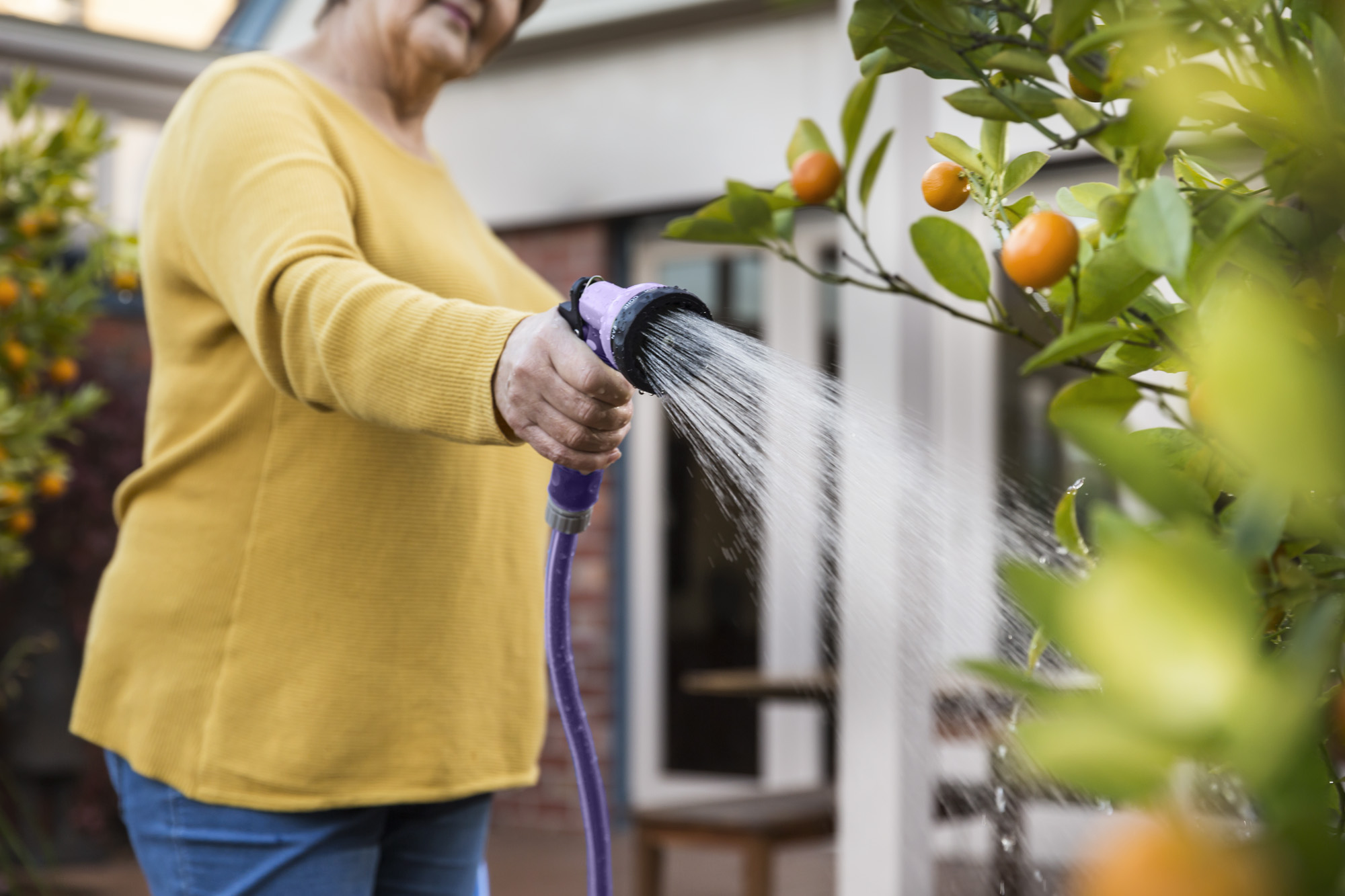
Class A recycled water is the highest grade of recycled water, and the only grade certified for residential use. Class A recycled water can be used for toilet flushing, garden watering and firefighting. It can be used to irrigate all food crops, as well as all of the approved uses for Class C. Class A recycled water is currently produced at Boneo, Mount Martha and Pakenham water recycling plants. We also source Class A recycled water from Eastern Treatment Plant (operated by Melbourne Water).
Find out more about the different classes below:
Why recycle water?
There are social, environmental and economic reasons to use recycled water:
- It’s cheaper to use than drinking water, saving money on your water bill
- It substitutes use of drinking water in your laundry, garden and toilets and thus helps protect our precious drinking water supply
- It enhances water security given the reliability of recycled water supply (quantity and quality) compared with the variability associated with traditional water sources; it’s safe, high quality and always in supply
- It's exempt from Permanent Water Saving Rules and restrictions, so you can have a healthy, green garden all year round
- It improves liveability of our cities and towns, by enabling greener open spaces and sporting grounds through passive irrigation and by cooling our urban environment, without relying on drinking water
- It has capacity to supplement limited or costly traditional water sources and reduce pressure on our drinking water supplies, keeping billions of litres in our storages so there's enough water for everyone
- It supports a sustainable and healthy environment, by reducing discharges to surface waters and diversion of water from watercourses and groundwater
- It offers potential treatment and disposal cost savings by turning a waste into a resource with economic or social benefits
Maps
The SEWmap app can give you immediate recycled water, water and sewer pipe locations on your Smartphone or tablet if you're a designer, builder, plumber, landscaper or looking to dig on a property for any reason.
The Asset Webmap interactive map allows access to live asset information online, enabling consultants, surveyors and engineers to easily view recycled water, drinking water and sewer assets, when you're planning works or new developments.
The Future infrastructure interactive map provides Preliminary Servicing guidance for land development planning by giving you access to future water, sewerage and recycled water infrastructure plans in South East Water's growth areas.
The Water Recycling Plants map provides an overview of our water recycling plants where recycled water is produced.
Related information
If this isn’t what you were looking for, see the following links for more information: