



Types of water
Find out about the different types of water that might be available to you.
On this page
We live in a climate that’s getting drier and warmer, and our population continues to grow – which is putting more pressure on our drinking water supplies.
Using the right type of water for the right purpose – and only using drinking water where it’s really needed – will help make sure there’s enough drinking water to go round.
Below is more information about the different types of water that might be available to you.
Tap water
Tap water or ‘drinking water’ is clean and safe to drink. Tap water us sometimes called potable water and is collected and treated by Melbourne Water. For more information on how we treat tap water visit the water quality page.
Rainwater and greywater
Rainwater
Rainwater is an option to use in and around your home as an easy and effective way to save Victoria’s precious water supplies and reduce the amount of drinking water you use.
Not only is rainwater free, but there are no restrictions on when or where you can use it and there are bucketloads of other benefits too.
Installing a rainwater tank to collect runoff from your roof is a great way to:
- Save precious drinking water
- Reduce bills
- Ease the pressure on our stormwater drainage system
- Reduce overland flow that causes flooding
- Help the environment by reducing the number of pollutants flowing into waterways and the Bay
- And it can even add value to your home.
Use rainwater for:
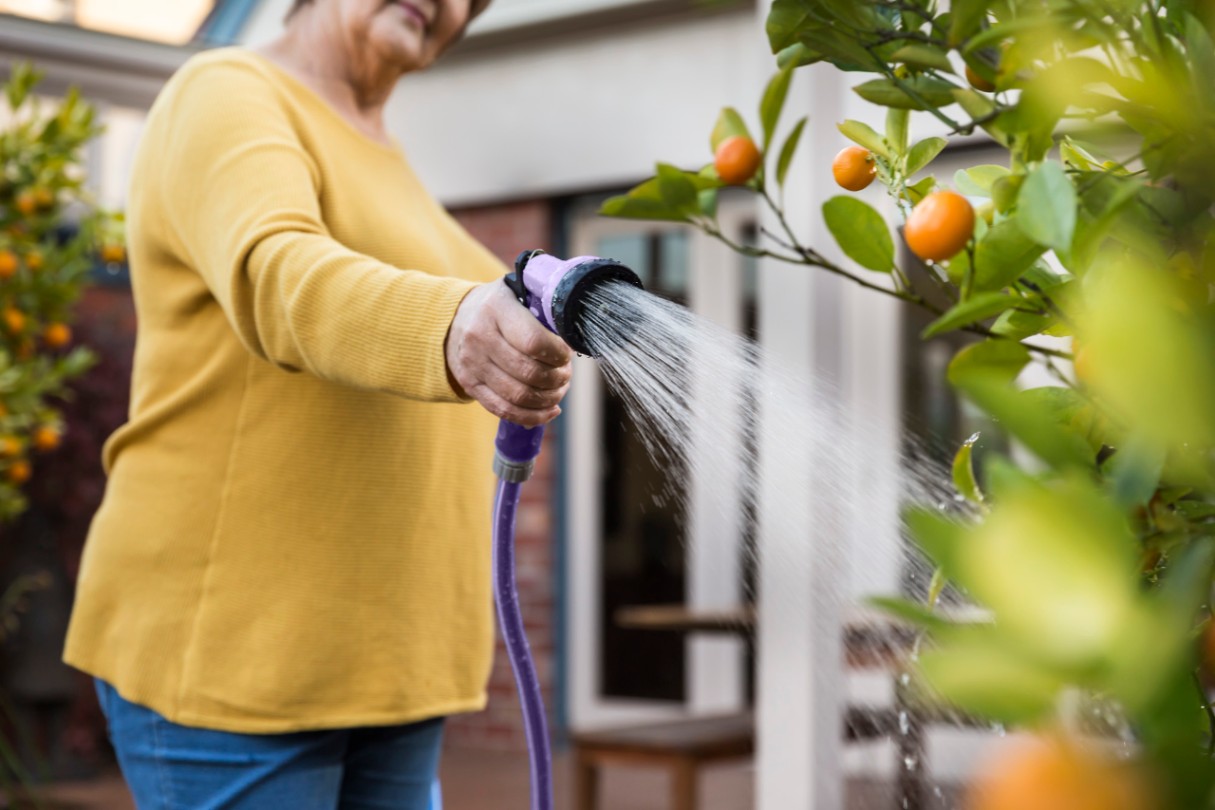
- Watering your garden or lawn at any time
- Washing your car
- Or you can even connect it to your toilet for flushing.
Discover more about rainwater tanks in the pdf in this factsheet.
The future of rainwater storage - we've developed smart rainwater tanks that release water when heavy rainfall is predicted. This helps to reduce the risks of large, less frequent flood events. While it's not available yet for individual homes, we're rolling out our Tank Talk technology at our Aquarevo development in Lyndhurst. You can learn more about the technology from our commercial arm, Iota.
Greywater
Greywater is wastewater from your bathroom and showers, bath tubs and washing machine that you can use to water your garden. It doesn’t include kitchen greywater, or any laundry water that could be contaminated (such as from washing cloth nappies).
Greywater systems let you reuse water, which is beneficial for the environment and your wallet.
The good thing about greywater is that we produce it on a daily basis. You can divert it to the garden with minimal cost and effort in a number of different ways, from simple buckets in the shower to complex reuse systems for domestic plumbing.
Find out more on the renew.org.au website.
Use the safest source of greywater possible. The safest is from the rinse cycle in your washing machine, the wash cycle is the next safest, followed by bath or shower water.
Keep water safely out of reach of children, dogs and people and put it where it's needed by your plants - at the roots.
Avoid spraying or hosing with greywater – your plants’ leaves don’t like it.
Water your ornamentals and orchards, but not your leafy green edible plants.
Don't let the greywater run off your property to the street or your neighbours’ property.
Don't store greywater for more than 24 hours.
Bore water
Does your property sit above an aquifer? Find out if you can sink a bore and apply for a licence from Southern Rural Water.
Recycled water
Class A recycled water is a sustainable water supply recognised by its purple coloured pipes. We supply it to homes for toilet flushing, outdoor watering and lots of other things, reducing reliance on drinking water.
With over 81,000 homes, businesses, sports fields and open spaces already connected, we’re continuing to expand the recycled water network even further.
Learn more about recycled water.
Desalinated water
Desalinated (desal) water is drinking water that the Victorian Desalination Plant in Wonthaggi produces from sea water by removing salt and impurities.
The desalination plant was announced as a project during the Millennium Drought when water storage levels were critically low (16.5% in our largest reservoir). As a sustainable and rain-independent water source, desalination will help supply Victoria’s water needs for future generations.
You can find out more about how it works on the Melbourne Water website, or read the information below.
Along with other Melbourne retailers and Melbourne Water, each year we assess:
- current water storage conditions
- projected water demands
- possible future climate conditions
- the balance between managing security of supply and minimising customer impacts.
It’s then up to the Minister for Water to place an order or not in the coming financial year
From homes to high-rises, farms, businesses, sportsgrounds and schools. Desal is an important part of a water cycle that supports each and every one of us - and helps keep our city livable.
- Sea water is turned into drinking water at the desal plant.
- It flows into Cardinia Reservoir to top up our rainwater.
- And is pumped across the city and suburbs to sustain each and every community.
- It's then sent to our water recycling plants - and is used again and again (and again) through a network of purple pipes.
- As Melburnians we know how precious our water is. So we're famously water wise - using tanks, timers, and technology to make every drop count.
Rest assured, there’ll be no difference to the appearance or taste of water that comes out of your tap—water from the plant is some of the best in the world to match the high quality of water that Melburnians enjoy.
Find out more on the Department of Energy, Environment and Climate Action (DEECA) website.
Stormwater
Rather than heavy rainfall simply being washed down the drain, stormwater runoff from urban areas can be collected, treated, stored and used. Recycled stormwater can provide many benefits to Melbourne, like reducing pollution, improving flood resilience and providing a sustainable alternative source of water.
Stormwater harvesting is usually managed by local councils and Melbourne Water – you can find out more on their website.
At South East Water, we’re driving an innovative pilot project of our own to supply recycled stormwater to Avenview Estate residents. Learn about our Troups Creek stormwater recycling project.
Related information
If this isn’t what you were looking for, see the following links for more information: