
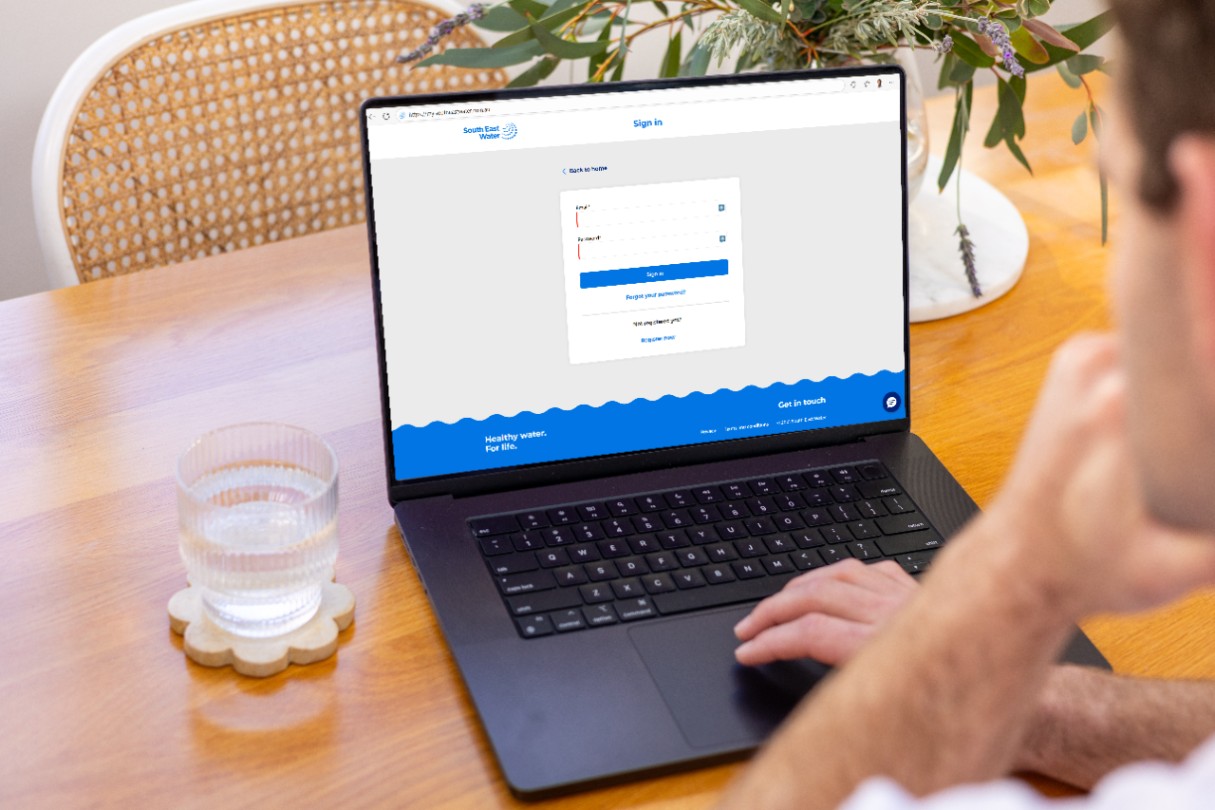




Helping Dari-speaking communities access bill support

South East Water has partnered with Casey North Community Information and Support Services (CISS) and the Southern Migrant and Refugee Centre (SMRC) to develop new online videos in Dari, a key language of Afghanistan, to help customers better understand their water bills and support options available.
The videos feature Dari-speaking members of the local community, Batool Hussaini and Wahjia Azimi, engaged through SMRC’s Bicultural Service, ensuring the content is culturally appropriate and easily understood. The videos cover support options available for paying a water bill and an explanation of South East Water’s services and what water bills help pay for.
These resources (also produced in English) are now hosted on a special Dari-language page on South East Water’s website and added to the online self-help library of Casey North CISS, providing vital financial assistance information to a key group in need.
South East Water identified a significant need for this initiative through its collaboration with Casey North CISS and SMRC.
The City of Casey is home to more than 7,240 Dari speakers, with a 10.8% increase recorded in the 2021 Census.
Additionally, the 3977 postcode is overrepresented in South East Water’s bill stress data, prompting a broader financial assistance campaign to break down barriers and provide additional support to communities within this postcode.
South East Water General Manager Strategy and Stakeholder, Karen Lau, said language barriers and unfamiliarity with billing and payment systems can make it difficult to stay on top of bills.
“At South East Water, we’re committed to ensuring all our customers can access the support they need for their water bill, no matter their background or language,” said Ms Lau.
“We’re proud to work alongside our community partners to help break down language barriers and make bill support more accessible to the growing Dari-speaking community in our service region. We want these communities to know that we’re here to help.”
Casey North CISS Executive Manager, Helen Small, highlighted the importance of accessible financial information, particularly as demand for financial counselling services continues to rise.
“It has been wonderful to partner with South East Water to produce much-needed water bill support videos in English and Dari. With demand for our financial counselling services always increasing, self-help information that supports our clients is vital,” said Ms Small.
“The videos expand our new online video library and go hand-in-hand with our Stay on Track financial guides, available in both English and Dari. The link between vulnerability and our multicultural communities is real, and we hope that removing language barriers helps to empower these communities.”
SMRC CEO, Jim Mullan, emphasised the value of community involvement in developing culturally relevant support tools.
“We’re excited that members of SMRC’s Bicultural Workers’ Program are the presenting faces of these new water bill support videos by South East Water and Casey North Community and Information Support Services.
“These videos not only support community through the content shared, but in the way they were made by providing an employment opportunity to bicultural workers,” said Mr Mullan.
“They were developed by the community, for the community and reflect the voices and experiences of the community, which is important for information and engagement efforts. SMRC is proud to have played a part in creating these videos to educate and empower their viewers.”
From Monday 6 October, South East Water encourages its Dari-speaking customers to view the videos at southeastwater.com.au/dari
Customers can also phone South East Water’s interpreter service on 9209 0130 to access support in Dari.
Customers seeking bill support in English should visit southeastwater.com.au/support or phone 131 851.
About the SMRC Bicultural Program
The SMRC Bicultural Program provides bicultural training for migrants and refugees and supports graduates to gain employment within the community. Businesses and organisations seeking to engage with culturally and linguistically diverse communities can employ trained multilingual bicultural workers through the program. These workers bring valuable cultural knowledge and lived experience, offering key insights into the most effective ways to engage community and tailor information.