




Bushfires and your water supply
Be water ready this bushfire season.
On this page
What happens to mains water in a bushfire
Summer in Australia can bring an increased risk of bushfires, especially in areas with forests, bush and grassland.
We can’t guarantee your mains water supply during a bushfire. We design our network for normal residential and commercial use, not emergency surges.
During a bushfire, high demand for water from firefighters or customers, or damage to infrastructure, may reduce water pressure or interrupt supply.
Power outages can also affect our network, and without power we can’t pump mains water where it’s needed. In some cases, we may not be able to fix our mains water supply immediately.
We have bushfire preparedness plans in place, including back-up systems and precautions. Bushfires can be unpredictable, so it’s important you plan ahead and not just rely on mains water.
Plan ahead for bushfire days
- Visit the Country Fire Authority website to:
- Get up-to-date information on understanding your level of risk
- How to build your bushfire plan,
- How to prepare your property
- Sign up for alerts via the Vic Emergency app
- Create a power outage plan for emergencies at Check. Plan. Do. Power Outage Plan
- If you’re travelling, let people know where you are and where you are going.
Water quality during a bushfire and after a bushfire
- If we have your contact details, we’ll send you an SMS or email if your drinking water quality has been affected during a bushfire. We’ll also post updates on our website news section and social media channels.
- To ensure you’re notified of any possible service interruptions, make sure we have your current email address and mobile number.
- Login or register to mySouthEastWater to update your details.
Rainwater tanks
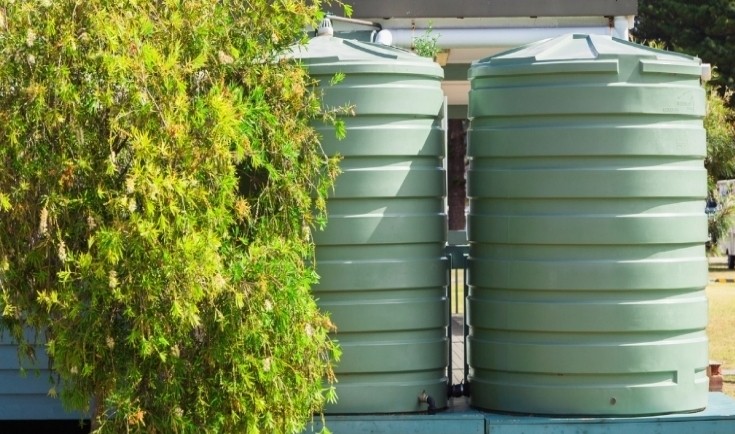
If a rainwater tans on your property supplies drinking water, ash and/or firefighting retardants may affect its quality during a bushfire.
Don’t drink the water or use for food preparation if ash or chemicals have entered your tank.
Boiling water won’t remove chemical contaminants. If your tank is contaminated, get it professionally cleaned before using the water again.
Our bushfire readiness actions
Every year, we take steps to help minimise water supply interruptions during the bushfire season. These include:
- Keeping water storage tanks topped up on total fire ban days
- Using permanent and temporary generators at key sites
- Clearing vegetation, gutters, roofs and rubbish around our sites to reduce bushfire risk
- Maintaining critical infrastructure, including fire hydrants and our water network
- Using deluge and sprinkler systems at some critical sites in high-risk bushfire areas
- Working closely with CFA before and during the bushfire season
Emergency contacts and resources
In an emergency or bushfire call 000 for fire, police or ambulance.
Fire and emergency updates
- VicEmergency:
- Website: emergency.vic.gov.au
- Hotline (free call): 1800 226 226
- App: Download from App Store or Google Play
- Social media: Facebook
- ABC local radio: Tune into ABC 774 for emergency information: ABC Local Radio
- Check. Plan. Do. Power Outage Plan
- Wildlife rescue: 1300 094 535
- State Emergency Service (SES): 13 25 00
- VicRoads road closures: 13 11 70
- VicEmergency Hotline: 1800 226 226
